How to Spot a Fake Tech-Support Pop-Up or Phone Call

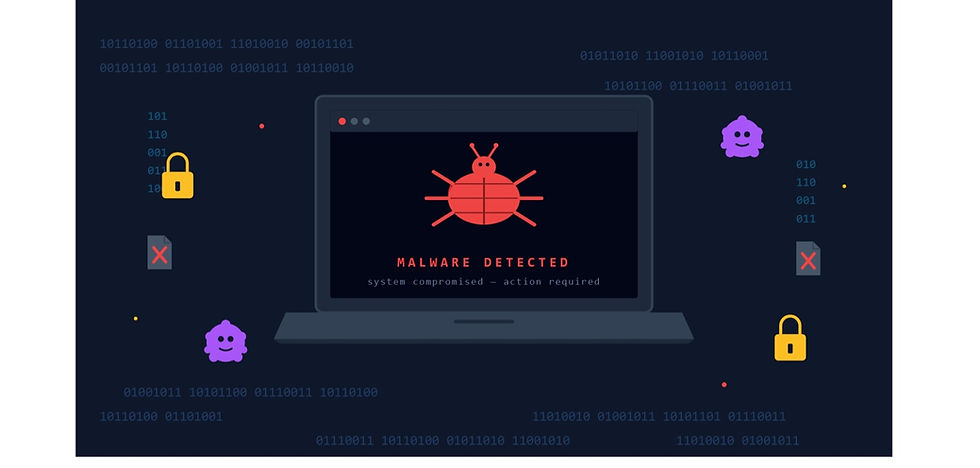
You’ve seen it. You’re browsing the web, maybe checking email or looking something up, and suddenly the screen freezes. A big, alarming window appears. Red warning signs. A phone number. Urgent language telling you your computer is “infected,” “hacked,” or “about to crash.” Sometimes it even locks the page so you can’t click away easily. Or the phone rings and a calm, professional-sounding person claims to be from Microsoft, Apple, or “Windows Support” and already knows something is wrong with your computer.
These are two of the most common and effective tech scams out there. They prey on fear and the natural desire to fix a problem quickly. The good news? Once you know what to look for, they’re surprisingly easy to spot and shut down.
Why These Scams Work So Well
Fake tech-support scams have been around for years, but they’ve gotten more polished. Scammers use real-looking logos, official-sounding language, and high-pressure tactics. They want you to feel like something terrible is happening right now and that only they can fix it—if you call the number or give them remote access to your computer.
In reality, legitimate companies like Microsoft, Apple, Google, or your internet provider almost never cold-call you about a problem with your device. And they definitely don’t freeze your browser with a scary pop-up demanding you call a random number.
Red Flags on Fake Tech-Support Pop-Ups
Here’s what a real security warning from your computer or browser looks like versus the fake ones:
- **It freezes the page or won’t let you close it easily.** Real antivirus or browser warnings rarely lock you out of everything. Fake ones often do, sometimes even playing a loud alarm sound.
- **It displays a phone number and tells you to call immediately.** Legitimate security software does not put a customer-service phone number in a pop-up and instruct you to call it. That number almost always belongs to the scammers.
- **It uses urgent, scary language.** Phrases like “Your computer has been locked,” “Critical system error,” “Virus detected – call now or lose all data,” or “Windows Defender has found a threat” are classic.
- **It claims to be from Microsoft, Apple, McAfee, Norton, or your ISP.** Real companies do not advertise their support numbers this way through browser pop-ups.
- **The design looks slightly off.** Logos may be pixelated, the grammar imperfect, or the layout not quite professional. Sometimes the “error code” is gibberish or the same code used in thousands of other scam pop-ups.
What should you do when one appears?
Do not call the number. Do not click any “OK,” “Fix Now,” or “Call Support” buttons. Instead, try these steps:
1. Press the Esc key or Alt + F4 (Windows) / Command + Q (Mac) to close the browser window.
2. If that doesn’t work, open Task Manager (Ctrl + Shift + Esc on Windows) and end the browser process, or force-quit the browser on a Mac.
3. Restart your computer if needed.
4. Once you’re back in control, run a legitimate antivirus scan (Windows Security, or a trusted tool like Malwarebytes).
In many cases the pop-up is just a webpage and disappears when you close the browser. It does not mean your computer is actually infected.
Red Flags on Fake Tech-Support Phone Calls
The phone version often starts with a call from someone claiming to be from Microsoft, Apple, your bank’s tech department, or a well-known antivirus company. They may say:
- They detected unusual activity on your computer.
- Your system is sending out viruses.
- Your warranty is about to expire and they need to “renew” it.
- They already have remote access or can “see” problems on your machine.
Here’s how to spot them quickly:
- **You didn’t initiate the call.** Real tech support almost never calls you first about a computer problem. If you didn’t request help, hang up.
- **They ask for remote access.** Scammers love tools like AnyDesk, TeamViewer, or Quick Assist. Once they have remote control, they can install malware, steal passwords, or lock your files.
- **They demand payment—especially with gift cards, wire transfers, or cryptocurrency.** No legitimate company accepts payment this way for tech support.
- **They create urgency and refuse to let you verify.** “You must act right now or your data will be deleted.” Real support gives you time and ways to confirm identity.
- **They already “know” details about your computer.** Sometimes they’ve gathered basic info from previous data breaches or simply guess. It doesn’t mean they have special access.
If you get one of these calls: hang up. Do not engage, do not give them any information, and do not let them walk you through installing software. If you’re worried something might actually be wrong, contact the company yourself using a phone number or website you know is official—not one the caller provides.
What to Do If You’ve Already Engaged
If you already called the number, gave remote access, or paid something:
1. Disconnect from the internet immediately if they still have access.
2. Change important passwords from a different, trusted device (email, banking, etc.).
3. Run a full antivirus and malware scan.
4. Monitor your bank and credit-card accounts.
5. Consider getting professional help to check for leftover malware or backdoors.
Many people feel embarrassed after realizing they were scammed. Don’t. These operations are designed by professionals who do this full-time. The important part is stopping further damage and securing your accounts.
Simple Habits That Make You Much Harder to Target
- Keep your browser and operating system updated. Many pop-ups exploit outdated software.
- Use a reputable ad blocker. It cuts down on a lot of the scammy pop-up traffic.
- Never call a phone number that appears in a browser warning.
- If a company needs to reach you, they usually do it through official channels you already have (your account dashboard, email you initiated, or a number you called yourself).
- Talk about these scams with family members, especially older relatives. Scammers specifically target people who may be less familiar with modern tech tactics.
A Quick Reality Check
Your computer is not “locked by the FBI,” Microsoft is not calling you out of the blue, and a random pop-up is not a reliable diagnosis of anything. Real problems are quieter. Slow performance, strange pop-ups that keep returning after you close the browser, or unexpected software installs are more typical signs that something is actually wrong—and those are exactly the kinds of issues a local technician can diagnose safely.
If you’ve run into one of these pop-ups or phone calls and you’re not sure whether anything was compromised, or if your computer is acting strangely afterward, reach out. We’re right here in the Hartford area, we speak plain English, and we’ll take a careful look without the scare tactics.
Stay skeptical of anything that demands immediate action and a phone call. That skepticism is one of the best security tools you have.


Comments